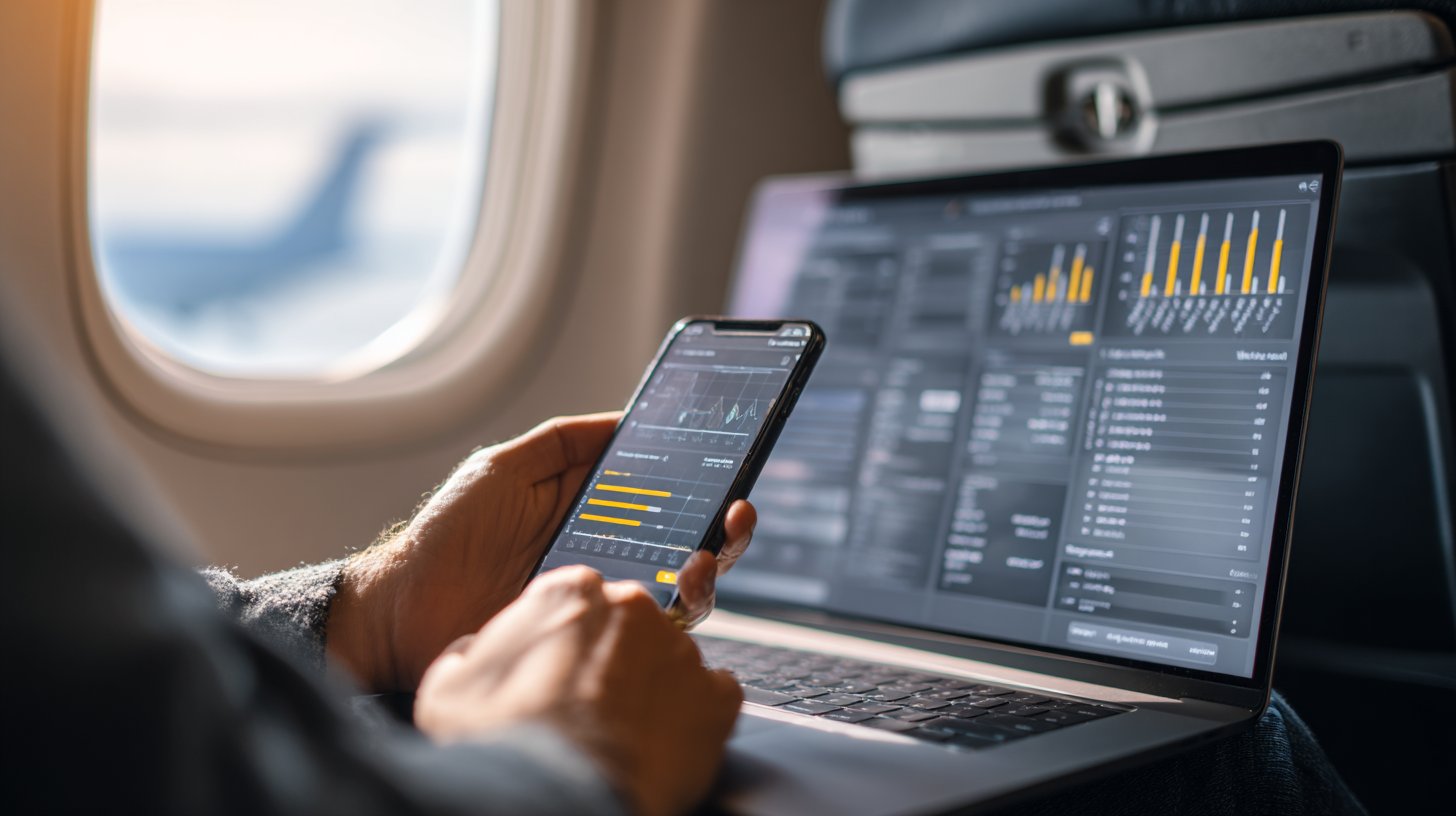
Planning a trip used to mean hours hunched over spreadsheets, guessing how much to set aside for hotels versus meals versus a zip-lining tour you’ve been dreaming about. Modern travel AI tools like budget planner technology have changed the equation entirely. Intelligent algorithms now analyze spending patterns, process real-time pricing data, and automatically distribute your budget across categories like accommodation, food, activities, and transportation—all while ensuring you squeeze maximum value from every dollar.
Understanding the Basics of Travel Budget Optimization
Budget optimization in travel isn’t simply about spending less. It’s about spending strategically to maximize your experience within financial constraints. An AI budget travel planner uses mathematical models to help you allocate funds in ways aligned with your priorities, whether this means splurging on a boutique hotel or saving on flights to fund more adventures on the ground.
The challenge with manual budgeting lies in the sheer number of variables at play. Destination costs fluctuate seasonally, currency exchange rates shift daily, and your personal preferences add another layer of complexity. A family beach vacation demands different allocation logic than a solo backpacking trip through Southeast Asia. Traditional approaches typically default to arbitrary percentage splits—say, 40% for accommodation and 20% for food—without accounting for whether those ratios actually make sense for your specific journey.
Modern trip planning algorithms solve this by processing multiple data points simultaneously. They learn from historical travel patterns, factor in your stated preferences, and apply mathematical optimization techniques to produce recommendations tailored to your situation rather than generic rules of thumb.
Core Mathematical Principles Behind Budget Distribution
The mathematical framework powering these systems relies on constraint-based optimization. The algorithm takes your inputs—total budget, trip duration, destination, and priorities—and treats them as variables in an optimization problem. It then seeks the allocation maximizing your expected satisfaction while respecting hard constraints like minimum spending thresholds for safety and comfort.
Think of it as solving a puzzle where every piece must fit within defined boundaries. You can’t allocate more than 100% of your budget, certain categories have minimum viable spending levels (you need somewhere to sleep, after all), and maximum caps exist based on what’s actually available at your destination. The algorithm navigates these constraints to find the optimal solution.
Predictive modeling adds another dimension of sophistication. Advanced travel AI budgeting tools anticipate costs based on seasonal price variations, demand patterns, and even currency fluctuations. A system might recognize visiting Barcelona in August means inflated accommodation prices and adjust your allocation accordingly, perhaps suggesting you shift funds toward dining and experiences where pricing remains more stable.

How Algorithms Categorize and Distribute Spending
Most travel budget planner systems manage five core categories: transportation, accommodation, food, activities, and contingencies. The algorithm assigns weighted importance to each based on your travel goals, then distributes funds accordingly.
Transportation optimization involves analyzing flight prices, ground transportation options, and activity-related travel costs. Machine learning evaluates trade-offs like paying more for a direct flight versus a cheaper connection eating into your vacation time. The system balances getting around efficiently against preserving funds for other priorities.
Accommodation allocation considers destination pricing, trip length, and your comfort preferences. Dynamic pricing models help the system adjust recommendations based on real-time availability—if hotel rates spike unexpectedly, the algorithm might suggest alternative neighborhoods or property types delivering comparable value.
Food and dining budgets reflect your travel style. The algorithm can balance fine dining experiences with budget-friendly options, adjusting based on whether you prefer cooking in rental kitchens, exploring street food scenes, or reserving tables at destination restaurants. Activities allocation focuses on prioritizing high-value experiences aligned with your interests while deprioritizing generic attractions not justifying their cost.
Perhaps most importantly, sophisticated algorithms always reserve a contingency buffer. Mathematical models determine appropriate percentages based on destination stability, trip complexity, and risk factors. This safety margin prevents financial stress when unexpected expenses arise—a taxi to the hospital, a last-minute hotel change, or simply discovering a once-in-a-lifetime experience you hadn’t planned for.
Real-World Application and Personalization
The practical difference between algorithm-optimized budgets and manual planning becomes clear through comparison. Consider two travelers with identical $3,000 budgets visiting Tokyo for ten days. The manual planner might split funds evenly across categories. The AI system recognizes Tokyo’s efficient public transit means transportation costs run lower than average, accommodation prices demand premium allocation, and the city’s extraordinary street food scene means dining well doesn’t require restaurant spending. The resulting allocation looks entirely different—and delivers more value.
AI for travel and machine learning enable these systems to improve with use. Your AI budget travel guide becomes more accurate as it learns your preferences across multiple trips. If you consistently reallocate funds toward food experiences, the algorithm adjusts future recommendations to reflect this priority. Over time, it develops a personalized allocation strategy mirroring your unique travel philosophy.
The Technology Making It Possible
Behind the scenes, these systems integrate real-time pricing data from accommodation platforms, airlines, and activity providers through APIs and continuous data feeds. This means recommendations reflect current market conditions rather than outdated averages. When flight prices drop or hotel availability shifts, your budget planner adjusts accordingly.
The machine learning models powering these tools train on patterns from millions of historical trips and spending decisions. They learn certain destination types correlate with specific spending patterns, trip duration affects category proportions nonlinearly, and traveler preferences cluster into recognizable profiles. This accumulated intelligence makes recommendations increasingly reliable.
Embracing Mathematical Intelligence in Travel Planning
The advantages over manual methods are substantial. Algorithms analyze thousands of variables and produce optimized budgets in seconds—work taking hours with a spreadsheet. More importantly, mathematical calculation eliminates the emotional biases plagueing manual planning, like overallocating to categories that feel important while neglecting areas actually driving satisfaction.
Getting started requires providing detailed inputs about your travel style, priorities, and constraints. The more information you share, the more accurate recommendations become. When interpreting algorithmic suggestions, treat them as informed starting points rather than rigid mandates. The percentages represent mathematically optimal allocations given your inputs, but you retain final authority over where your money goes.
Algorithm-based budget allocation represents a genuine advancement in travel planning. By applying mathematical optimization to a traditionally intuition-driven process, these tools help you make confident decisions about spending across every category—ensuring your budget works as hard as you do to create memorable travel experiences.